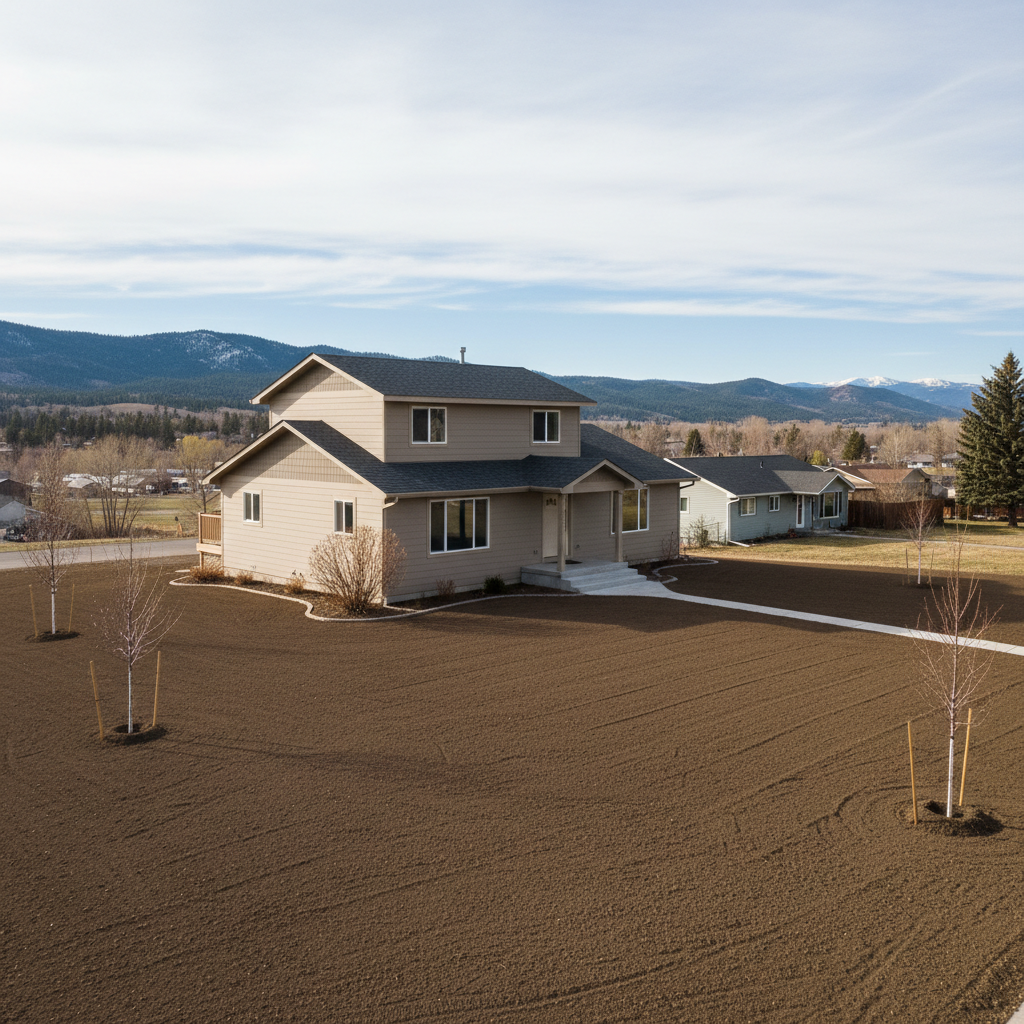
Is your yard a lumpy mess? Does water pool up against your foundation after every spring rain, or maybe you've got drainage issues turning parts of your lawn into a swamp? Sounds like you might need some lawn grading. It's not the flashiest landscaping project out there, but it's one of the most important for your home and yard's health. Getting it right now prevents bigger headaches down the road, believe me.
I've seen a lot of yards in Missoula, from the flat, sandy plots near the river to the steeper, clay-heavy lots up in the Rattlesnake. Each one has its own challenges, and proper grading is often the unsung hero that makes everything else work.
When to Plan Your Grading Project
Timing is pretty crucial for grading work. You really don't want to be moving a bunch of dirt around when it's soaking wet or frozen solid. Here in Missoula, that usually means late spring, summer, or early fall. If you try to grade when the ground's saturated from snowmelt or heavy spring rains, you're just going to make a muddy mess, compact the soil, and probably end up with a worse result. Plus, it's a nightmare for our equipment and crews.
I always tell folks to start thinking about this in late winter or early spring. That way, you can get on a contractor's schedule for when the ground is actually workable, typically May through September. If you wait until July to call, well, you might be waiting a while.
What to Expect During the Grading Process
Okay, so you've decided to pull the trigger. What's actually going to happen? First, a good contractor will come out and assess your property. They'll look at your existing drainage, the slope of your land, where water is currently going (or not going), and what you want to achieve. We'll talk about things like swales, French drains, and how to get that water away from your house.
Once we've got a plan, the actual work involves moving dirt. Sometimes it's just a little bit of topsoil; sometimes it's a lot of earthmoving. We use equipment like skid steers, excavators, and compactors. It can get a little messy, and it will definitely be noisy for a few days. Essentially, we're reshaping the earth to create the right slopes and contours. Our goal is to direct water away from your home's foundation and other structures, prevent erosion, and create a smooth, usable surface for your lawn or other landscaping.
After the major earthwork, we'll bring in new topsoil if it's needed, spread it, and then fine-grade it. This is where we get everything smooth and ready for seed or sod. It's a precise job; even a slight dip can become a puddle spot, you know?
How to Prepare Your Property
Before the crew shows up, there are a few things you can do to make the process smoother and potentially save some money:
- Clear the area: Move any outdoor furniture, planters, toys, or anything else that's in the way. If you have decorative rocks or features you want to keep, point them out clearly.
- Mark utilities: Call 811 a few days before work starts to get underground utilities marked. This is non-negotiable for safety.
- Trim back plants: If you have shrubs or tree branches hanging low over the work area, trim them back. It gives the crew more room to maneuver and protects your plants.
- Talk to your neighbors: Let them know what's coming. There will be noise and possibly some dust. A heads-up goes a long way.
- Plan for access: Make sure there's a clear path for equipment to get to the work area.
We're good at what we do at Missoula Landscaping Company, but a prepared site always helps us work more efficiently.
Key Questions to Ask Before Signing a Contract
You wouldn't buy a car without asking questions, and a grading project is no different. Here are some things you should definitely ask your contractor:
- Can you explain the proposed drainage plan in detail? Make sure you understand where the water will go and how it will be managed.
- What kind of equipment will you be using, and how long will the project take? This gives you an idea of the disruption and timeline.
- What steps will you take to protect my existing landscaping or structures? Good contractors take precautions.
- How will you handle unforeseen issues, like hitting an unmarked pipe or rock? Things happen; you want to know the plan.
- What's included in the price? Does it cover topsoil, seeding, erosion control, and cleanup? Get it all in writing.
- What's your warranty on the work? A reputable company will stand behind their grading.
- Can you provide references from other grading projects you've done in Missoula? See their work and hear from their past clients.
Asking these questions upfront will help you feel confident in your choice and ensure you're on the same page with your contractor. A properly graded yard isn't just about looking good; it's about protecting your biggest investment, your home, for years to come.