So, you're looking at your yard and thinking, "It's time for a change." Maybe you just bought a place, or maybe your current landscaping is just… tired. Whatever the reason, getting into landscape design can feel like a big deal. The good news is, you don't have to be a professional to make some smart choices. But you do need to know when to roll up your sleeves and when to pick up the phone.
Before You Dig: The Planning Stage
This is where most folks either get overwhelmed or jump in too fast. Don't do either. Take your time here. What do you actually want your yard to *do* for you? Do you need a place for the kids to play? A quiet spot for coffee? Better curb appeal for resale? More privacy from the neighbors? Write it all down. Seriously, make a list.
Next, look at your site. Where does the sun hit throughout the day? Where does water collect after a good rain? What's your soil like? Here in Missoula, we've got everything from sandy loam near the river to heavy clay in some of the older neighborhoods up on the hills. Knowing your soil type is huge for picking the right plants. You can do a simple jar test or send a sample to MSU Extension for a more detailed analysis. This is all stuff you can absolutely do yourself, and it'll save you headaches later.
Now, for the design itself. You can sketch out ideas on graph paper. Look at magazines, Pinterest, or just drive around your neighborhood for inspiration. Think about scale – don't try to fit a huge water feature into a tiny yard. If you're just doing a small flower bed or planting a few trees, you can probably handle the design. But if you're talking about re-grading your entire yard, adding retaining walls, or planning out complex irrigation, that's when a professional landscape designer or contractor like us at Missoula Landscaping Company can draw up plans that actually work and meet code.
During the Project: Getting Your Hands Dirty (or Not)
Once you've got a plan, it's time to get to work. This is where the DIY vs. Pro decision really comes into play. A lot of people can handle basic tasks:
- Planting: If you've got healthy soil and you've picked plants suited for our Zone 4/5 climate, planting shrubs, flowers, and smaller trees is definitely a DIY job. Just make sure you dig the hole wide enough and don't plant too deep.
- Weeding & Mulching: Ongoing maintenance is always on you, unless you hire someone for that too. Mulching is critical for water retention and weed suppression, especially with our dry summers.
- Simple Edging: Installing basic plastic or metal edging around beds is pretty straightforward.
But then there are the bigger jobs. These are the ones where you might save money in the short term by doing it yourself, but you could end up with costly problems down the road:
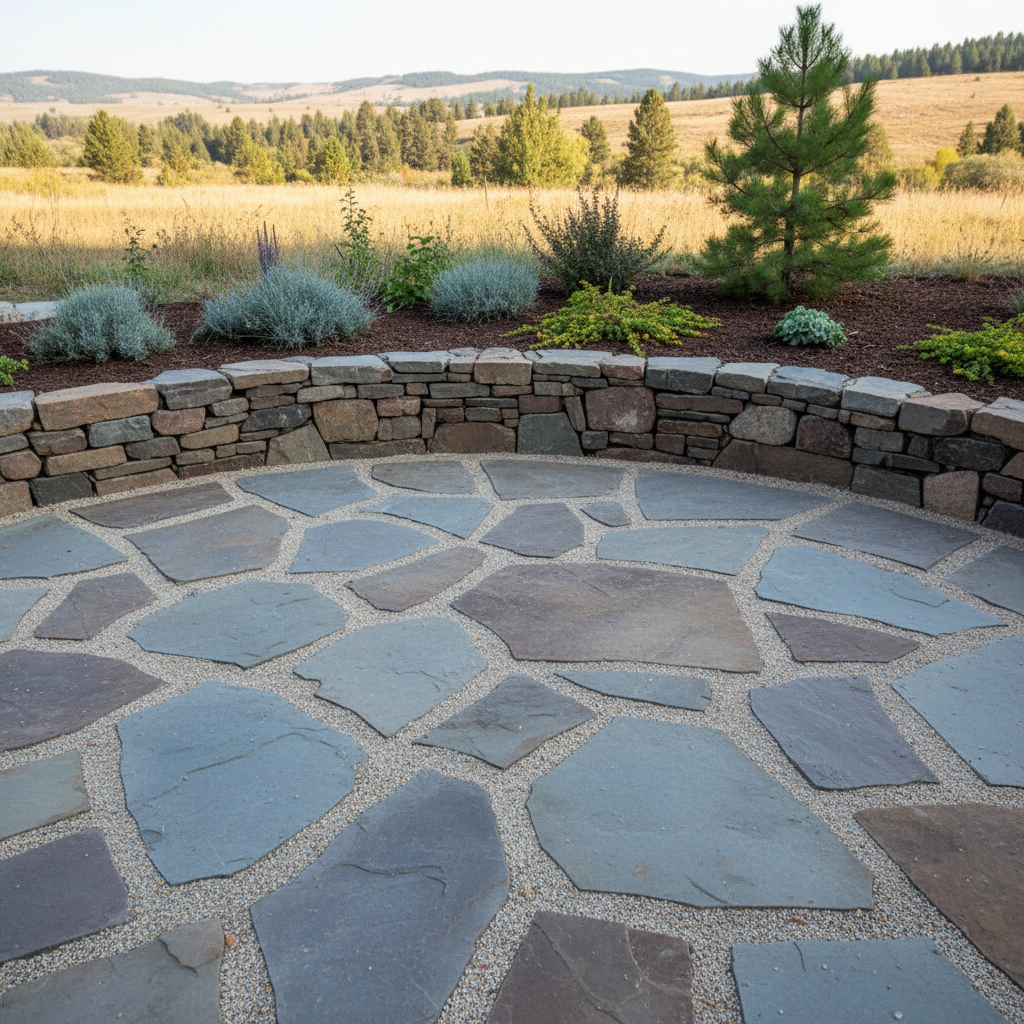
- Hardscaping (Patios, Walkways, Retaining Walls): This stuff needs proper base preparation, drainage, and often structural integrity. A poorly built patio will crack and settle. A retaining wall that isn't engineered right can collapse. This is definitely pro territory.
- Major Grading & Drainage: If your yard slopes significantly or you have standing water issues, you need someone who understands how to move earth and manage water flow. You don't want water running into your foundation.
- Irrigation Systems: Designing and installing an efficient sprinkler system that waters everything appropriately without wasting water is a skill. You need to account for water pressure, zone coverage, and winterizing.
- Large Tree Removal/Planting: Taking down a big tree is dangerous. Planting a large caliper tree requires heavy equipment and knowledge to ensure it thrives.
My advice? If it involves heavy machinery, significant structural work, or complex systems, call a professional. You're paying for their expertise, their equipment, and their insurance. It's an investment in doing it right the first time.
After It's Done: Keeping It Beautiful
Whether you did it yourself or hired a crew, your new landscape isn't a set-it-and-forget-it deal. It needs care. This means regular watering (especially for new plants), fertilizing, pruning, and pest management. Learn about the specific needs of your plants. Don't overwater, especially in our dry climate where water conservation is important. Prune at the right time of year for each plant to encourage healthy growth and flowering.
Keep an eye out for issues. If a plant isn't thriving, try to figure out why. Is it getting enough sun? Too much? Is the soil too wet or too dry? Sometimes it's a simple fix. Sometimes, despite your best efforts, a plant just doesn't make it. That's okay; it's part of gardening. You learn and you try again.
Ultimately, a beautiful landscape adds value to your home and enjoyment to your life. Don't be afraid to get started, but be smart about when to call in the cavalry. It's all about making your Missoula home look its best.