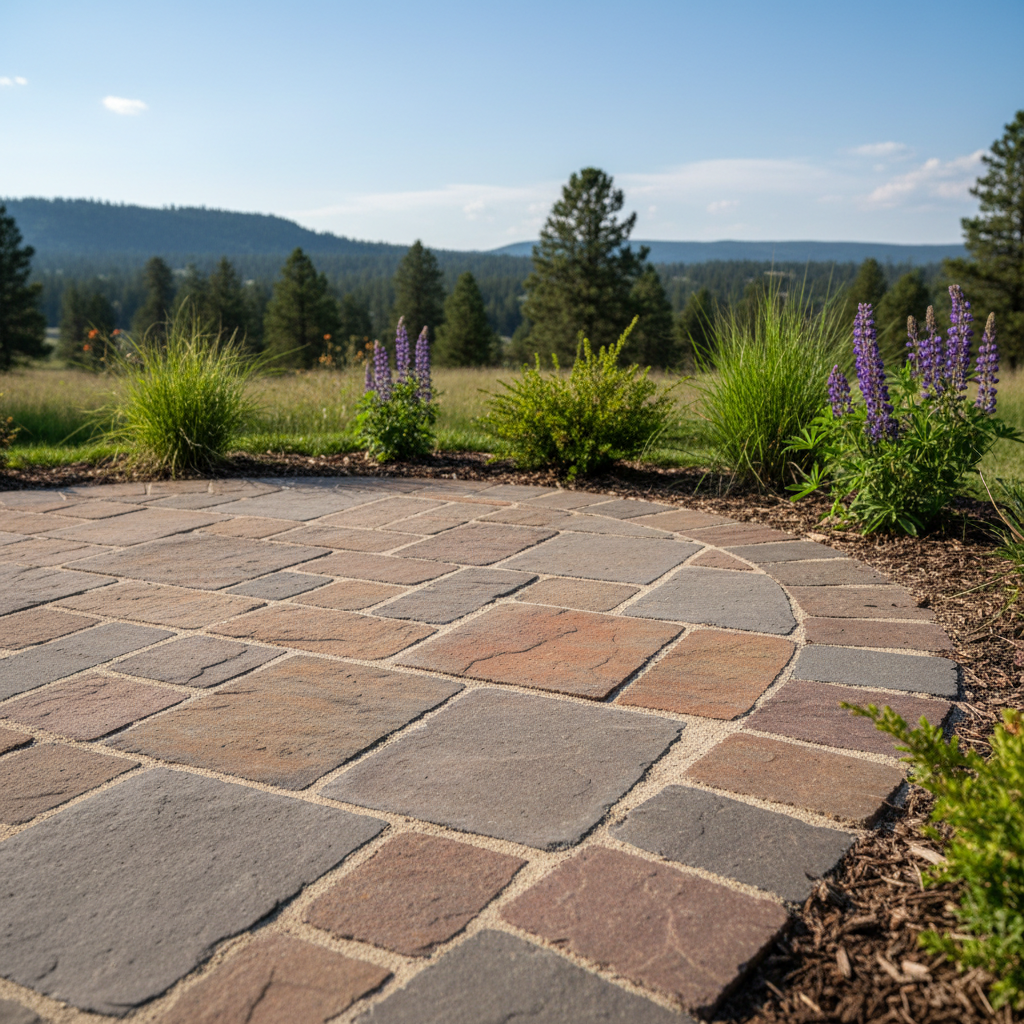
What exactly is hardscaping, and why should I care?
Hardscaping is basically all the non-plant stuff in your yard. Think patios, walkways, retaining walls, fire pits, outdoor kitchens — even pergolas. It's the backbone of your outdoor living space, really. Why care? Well, it adds structure, makes things functional, and often, it boosts your property value quite a bit. A well-designed hardscape can turn a sloped, unusable backyard into a beautiful, level patio where you can host barbecues. It can create clear paths that keep mud out of your house and make your whole property feel more intentional and organized. It's not just about pretty rocks; it's about making your yard work for you, and honestly, making it look a whole lot better too.
How much does a hardscape project really cost in Missoula?
This is probably the most common question I get, and it's also the hardest to give a straight answer to without knowing the specifics. It's like asking how much a car costs – depends on the make, model, and all the bells and whistles, right? For hardscaping, the price tag depends on a few things: the materials you pick (basic concrete pavers versus, say, natural stone), the project's size, how complex the design is, and the site conditions. If we're digging into a hillside or dealing with a lot of rock, that's definitely going to add to the cost. Generally, you're looking at a few thousand dollars for a smaller patio or walkway, and it can easily climb into the tens of thousands for bigger, more intricate projects like an outdoor kitchen or extensive retaining walls. I always tell folks to get a detailed quote that breaks down materials, labor, and any site prep. Don't just go for the cheapest bid; make sure you understand what you're actually getting for your money.
What materials are best for Missoula's climate?
Missoula's weather can be a real challenge, what with those hot summers and freezing winters, plus all the freeze-thaw cycles we get. That means choosing the right material is absolutely critical if you want your hardscape to last. I generally recommend materials that can handle expanding and contracting without cracking. Here's what I've seen work well:
- Concrete Pavers: These are a solid choice. They're built to withstand our climate, come in a huge variety of colors and styles, and are easy to repair if one gets damaged. They're flexible, so they move a bit with the ground, which is good for freeze-thaw.
- Natural Stone (Flagstone, Bluestone, Granite): Beautiful, durable, and timeless. They hold up great, but they can be a bit more expensive and require skilled installation. Make sure they're properly set on a good base to prevent shifting.
- Poured Concrete: It's cost-effective and you can stamp or stain it for a custom look. The key here is proper reinforcement and expansion joints to prevent cracking from our temperature swings. If it's not done right, you'll see cracks pretty quickly.
- Gravel: For pathways or less-trafficked areas, gravel is a budget-friendly option that drains well. Just make sure you have good edging to keep it contained.
What I'd steer clear of for major load-bearing or high-traffic areas are materials that aren't rated for our cold winters, unless you're prepared for potential cracking or spalling down the line.
How long does a typical hardscape project take?
Again, this varies a lot. A small paver patio might take my crew a few days to a week, depending on the size and how easy it is to access the site. A more complex project, like a multi-tiered retaining wall system or an outdoor kitchen with utilities, could easily stretch into several weeks, or even a month or more. Things that can slow us down include:
- Weather: Rain, snow, or extreme heat can halt work.
- Permits: Larger projects, especially those involving retaining walls over a certain height or significant grading, will require city permits. Getting those approved takes time.
- Material availability: Sometimes specific pavers or natural stone have lead times.
- Site conditions: Unexpected rock formations or poor drainage can add extra excavation time.
When we give you a timeline at Missoula Landscaping Company, we try to factor in these variables, but sometimes Mother Nature or the city planning department throws us a curveball.
Do I need a permit for my hardscape project?
Good question, and the answer is often yes, especially for bigger projects. In Missoula, if you're building a retaining wall over 4 feet tall (measured from the bottom of the footing to the top of the wall), you'll almost certainly need a structural permit. Any significant changes to grading or drainage might also trigger a permit requirement. If you're adding an outdoor kitchen with gas or electrical lines, you'll need plumbing and electrical permits. Even some large patios or decks might need one, depending on their size and how close they are to property lines. It's always best to check with the City of Missoula's Development Services before starting any major work. Skipping permits can lead to fines, having to tear down your work, or issues when you try to sell your home. A reputable contractor will help you navigate this process.
What about drainage? Is that something I need to worry about?
Absolutely, drainage is huge, especially here in Missoula where we get those heavy spring rains and snowmelt. Poor drainage can undermine your hardscape, cause water to pool on your patio, or even direct water towards your home's foundation, leading to much bigger problems. When I design and install hardscapes, I'm always thinking about how water will move across and away from the surface. This often involves:
- Proper Grading: Making sure the patio or walkway slopes slightly away from your house.
- Sub-base Preparation: Using permeable materials like crushed gravel beneath pavers to let water filter through.
- Drainage Systems: Installing catch basins, French drains, or channel drains in areas where water tends to collect.
If you've got a yard that's already prone to standing water, or if you live on a slope, addressing drainage upfront is non-negotiable. It's a critical part of ensuring your hardscape lasts and doesn't create new problems for your property.
How do I maintain my new hardscape?
The good news is that most hardscapes are pretty low maintenance compared to, say, a lawn. But